

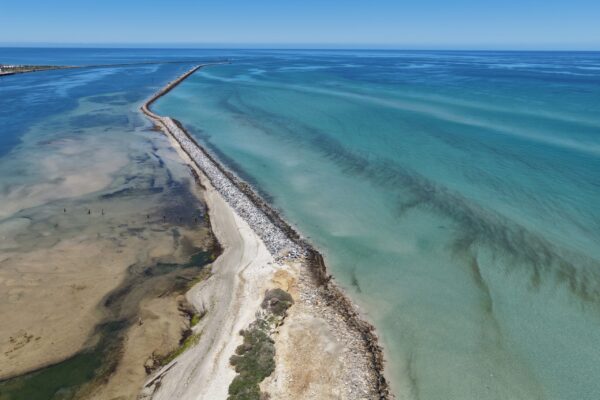
The Outer Harbor breakwater is a large coastal structure located at Outer Harbor, South Australia. The breakwater serves to protect the port and vessels from waves and marine hazards.
Constructed in the early 1900’s, at the time it was a key component of the Outer Harbor scheme, which aimed to create a more protected and more accessible port. It has been maintained and extended over many years; the northern extension was the most recent completed in 1984.
Key Function
The primary function of the breakwater is to serve as a protective barrier against strong waves, tides and storm surges, creating a more sheltered and safer area for ships and harbour operations.
It plays an important and critical role as the primary protective barrier for Outer Harbor where South Australia’s only container terminal is located. The structure is essential not only for safeguarding port operations but also for protecting the swing basin which is used by most vessels accessing Berths 1 to 8.
The breakwater is vital in ensuring operational integrity and safety for South Australia’s import and export trade.
Why is Remediation Required?
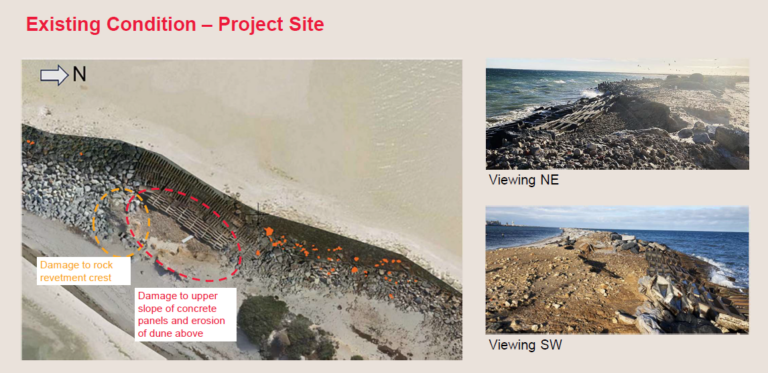
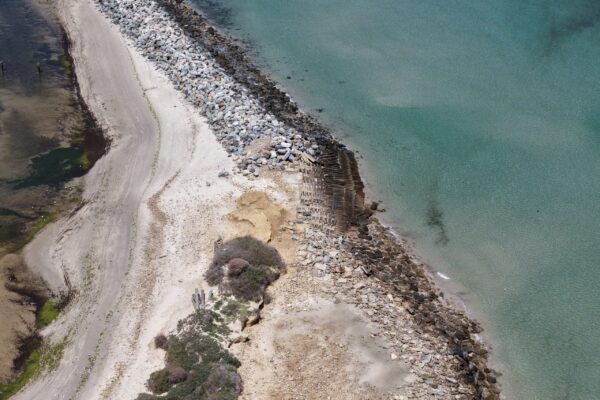
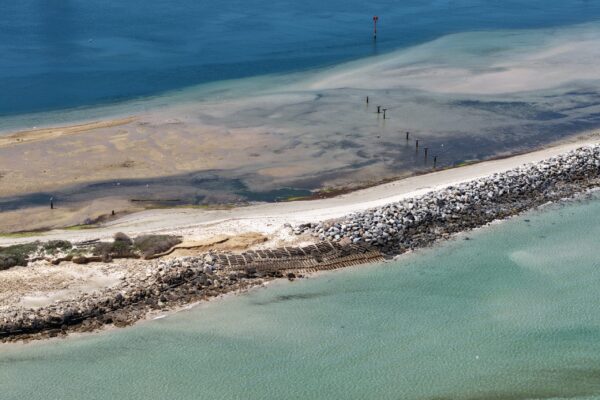
There is an approximately 70m section of the breakwater that has deteriorated over time.
Recent storm surges in May and June 2025 have caused a breach and erosion to the wall. Please see images below highlighting the current condition of the breakwater:
In the below 3D images, storm surges comparing 2024 and 2025 clearly show the breach:
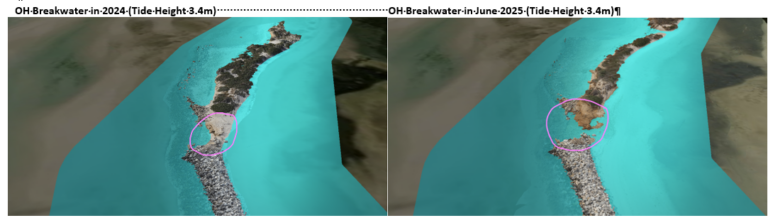
Without remediating the breakwater, the continual deterioration of the breach could impact operational integrity and safety for South Australia’s import and export trade.
The works will preserve the breakwater for safer shipping and harbour operations, including recreational boating and maintain the habitat for local wildlife.
Scope of Works
The works will be undertaken by our Contractor – Maritime Constructions. The scope of works will generally include:
- Removal and disposal of unsuitable material.
- Re-use of suitable material where appropriate.
- Ground improvement works, including re-levelling.
- Supply and placement of geotextile fabric and rocks.
The project footprint is not located on Bird Island, works will only be occurring at the rock revetment located south of Bird Island. The footprint does not overlap with Pelican breeding areas; these are located further north of the rock revetment.
Timing
Mobilisation commenced in November 2025, with completion of the works planned for early April 2026.
The timing of the project took into consideration the nesting of birds using the breakwater as habitat. Scheduling the works to occur during this window minimises disturbing nesting birds, particularly the Black-Face Cormorants.
Project Controls
Flinders Port Holdings (FPH) has a longstanding partnership with Green Adelaide, Birdlife Australia and volunteer groups. Through sponsorship and collaboration, FPH support colonial breeding bird monitoring on Bird Island, Fairy Tern breeding monitoring, shorebird counts and rubbish collection.
During the planning phase for the works, FPH engaged with these organisations, plus other stakeholder groups to identify a suitable window for the works to occur, and to use the knowledge and research shared to develop project controls to be implemented.
These controls include measures to manage habitat disturbance, noise and vibration, introduction of pests, dust generation, water runoff, marine traffic and spills. Examples of the Project Controls in place are:
- Survey of vegetation for Australian Sea-Lions immediately before any vegetation disturbance to ensure no Sea-Lions are resting in the vegetation.
- Ensure fresh water and waste are not left exposed while on site, as this may attract predators of the Australian Fairy Tern.
- Reduce impacts from the tender vessel such as disturbance and damage to the tidal flats and shorebird feeding habitat.
- Survey of shorebirds and any nests prior to any vehicle movements.
During construction, wildlife groups and Maritime Constructions will undertake periodic inspections and review project controls.
Assessments
An Environment Protection and Biodiversity Conservation (EPBC) self-assessment was completed by our consultant – JBS&G. This assessment included using findings from field surveys at the project site together with desktop reviews including:
- An ecological assessment undertaken by Ecosphere that included vegetation and bird surveys plus recording opportunistic observations.
- The ecological assessment covered the project site, with particular focus on approximately 2km2 of degraded vegetation required for the equipment laydown area. This laydown area was chosen as the highest point and closest to the project site, thereby minimising disturbance.
- The assessment concluded the Project is not likely to have a significant impact on any matter of national environmental significance. As a result, an EPBC Act referral was not required.
These findings combined with advice from stakeholders and wildlife groups, informed the timing, logistics and development of a Construction Environment Management Plan (CEMP) for our Contractor.
Contact
If you have any questions regarding the Outer Harbor Rock Revetment Remediation, please email [email protected].
Project Gallery
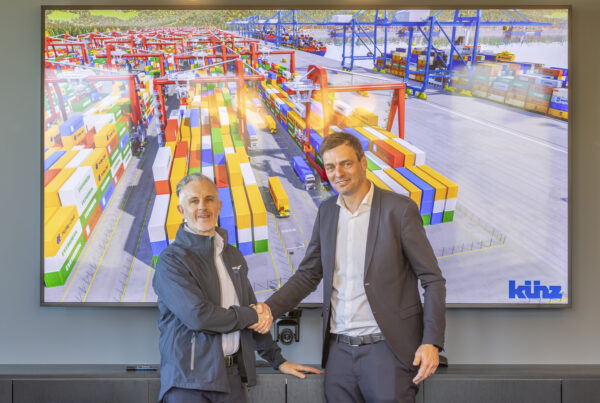
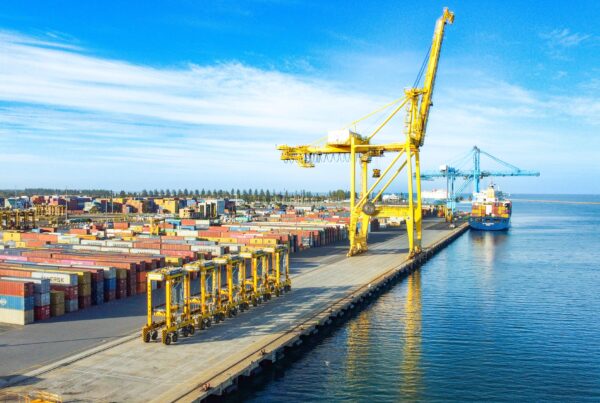
Flinders Port Holdings (FPH) has finalised a contract with Austrian crane manufacturer Künz to acquire a cantilever automated rubber-tyre gantry (ARTG) crane, marking a step towards advancing the company’s operational…
We are proud to share that our Reflect Reconciliation Action Plan (RAP) has received official endorsement from Reconciliation Australia. This marks the first step on our RAP journey, it will…
Flinders Adelaide Container Terminal (FACT) is set to undergo a significant transformation with a comprehensive investment exceeding $350 million, aimed at enhancing its operational capacity and efficiency. Flinders Port Holdings…